


Dry Eye Vs. Allergies: How To Tell What’s Really Irritating Your Eyes
Dry Eye Vs. Allergies: How To Tell What’s Really Irritating Your Eyes
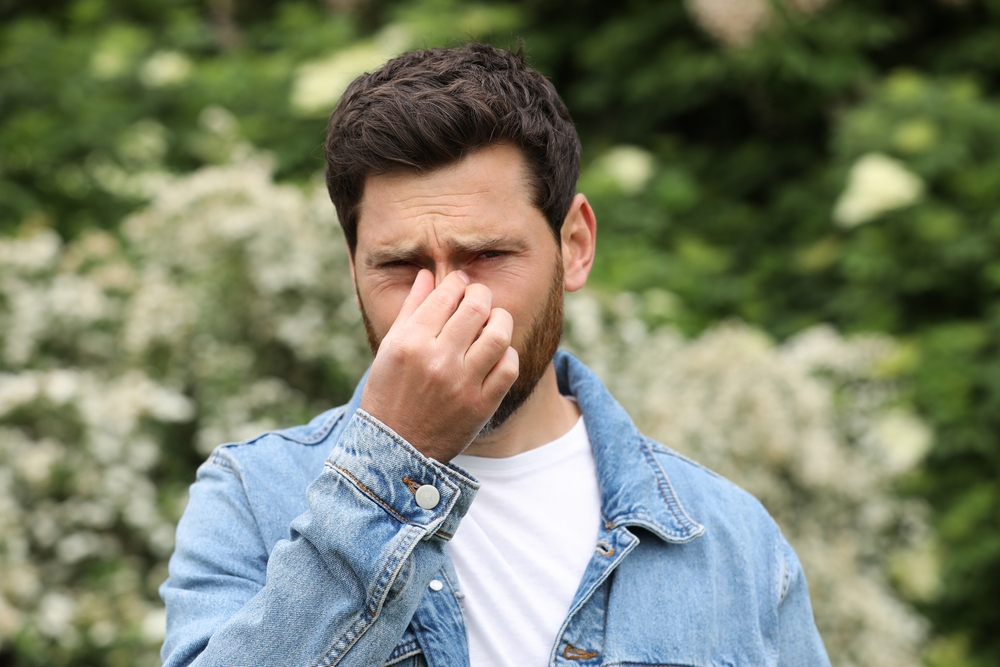
Eye irritation can be frustrating, especially when the symptoms feel similar from one day to the next. Dry eye and eye allergies can both cause redness, watering, burning, and discomfort, but they are not the same condition. Knowing the difference can help you choose the right next step and avoid temporary fixes that do not address the real cause.
Why Dry Eye And Allergies Feel Similar
Dry eye happens when your eyes do not produce enough quality tears or when your tears evaporate too quickly. Allergies happen when your eyes react to triggers like pollen, dust, pet dander, or mold. Both conditions can affect the surface of the eye, which is why symptoms often overlap.
You may notice irritation, redness, tearing, or a gritty feeling with either issue. Because the symptoms can look alike, many people assume they have allergies when their eyes are actually dry, or they use lubricating drops when allergy inflammation is the main concern.
Signs It May Be Dry Eye
Dry eye often causes a burning, stinging, or scratchy sensation. Your eyes may feel tired after reading, driving, working on a computer, or spending time in dry or windy environments. Some people also experience watery eyes because the eyes overproduce low-quality tears in response to irritation.
Common signs of dry eye include:
- Burning, stinging, or gritty eyes
- Blurry vision that improves with blinking
- Sensitivity to light
- Eye fatigue after screen use
- Watery eyes without itching
- Discomfort that worsens later in the day
Dry eye can be linked to aging, contact lens wear, medications, screen time, environmental conditions, and eyelid or tear gland issues. If symptoms keep coming back, an eye exam can help identify what is causing the tear film to break down.
Signs It May Be Eye Allergies
Eye allergies are more likely when itching is the main symptom. Allergic irritation often affects both eyes and may come with sneezing, nasal congestion, or seasonal flare-ups. Your eyes may look red, swollen, or watery after exposure to outdoor pollen, pets, dust, or other allergens.
Unlike dry eye, allergies are driven by an immune response. Rubbing your eyes can make symptoms worse because it releases more inflammatory chemicals and may increase redness and swelling.
Why The Right Diagnosis Matters
Dry eye and allergies are treated differently. Artificial tears may soothe both conditions temporarily, but they may not be enough if you need allergy treatment or if your tear film is unstable. Allergy drops may help itching, but some medications can worsen dryness for certain patients.
A comprehensive eye exam allows your optometrist to look closely at the tear film, eyelids, eye surface, and overall eye health. This helps determine whether your irritation is caused by dry eye, allergies, or a combination of both. In many cases, patients have more than one factor contributing to their symptoms.
Don’t Ignore Ongoing Eye Irritation
You should schedule an eye exam if your symptoms last more than a few days, keep returning, affect your vision, or interfere with daily comfort. You should also seek care if you have eye pain, discharge, significant light sensitivity, sudden vision changes, or redness that does not improve. Getting the right diagnosis can help you avoid guessing with over-the-counter drops and start a treatment plan that fits your eyes.
Find out what’s really irritating your eyes by scheduling a comprehensive eye exam with Primary Vision Care. Visit our office in Newark, Waynesville, Lancaster, Mount Vernon, or Wilmington, Ohio. Call (740) 299-1155, (513) 897-2211, (740) 654-9909, (740) 393-6010, or (937) 382-4933 to book an appointment today.


Newark
926 North 21st Street
Newark, OH 43055
- Monday9:00 AM - 6:00 PM
- Tuesday9:00 AM - 6:00 PM
- Wednesday9:00 AM - 6:00 PM
- ThursdayClosed
- Friday8:00 AM - 3:00 PM
- SaturdayClosed
- SundayClosed
Lancaster
784 East Main Street Suite D
Lancaster, OH 43130
- Monday8:30 AM - 5:00 PM
- Tuesday9:00 AM - 3:00 PM
- Wednesday8:30 AM - 5:00 PM
- Thursday8:30 AM - 5:00 PM
- FridayClosed
- SaturdayClosed
- SundayClosed
Mount Vernon
1684 Venture Dr. Suite A
Mount Vernon, OH 43050
- MondayClosed
- Tuesday9:00 AM - 5:00 PM
- WednesdayClosed
- Thursday9:00 AM - 5:00 PM
- Friday9:00 AM - 5:00 PM
- SaturdayClosed
- SundayClosed
Wilmington
2079 Rombach Ave.
Wilmington, OH 45177
- Monday9:00 AM - 6:00 PM
- Tuesday9:00 AM - 6:00 PM
- Wednesday8:00 AM - 5:00 PM
- Thursday8:00 AM - 5:00 PM
- FridayBy Appointment only
- SaturdayClosed
- SundayClosed

Powered by: 